Featured
RFQ
MARKETPLACE B2B DLA LOGISTYKI / B2B LOGISTICS MARKETPLACE
Reliable forklifts, pallet jacks, and material handling equipment for load operations.
4 available offers
Purchase model
Purchase model
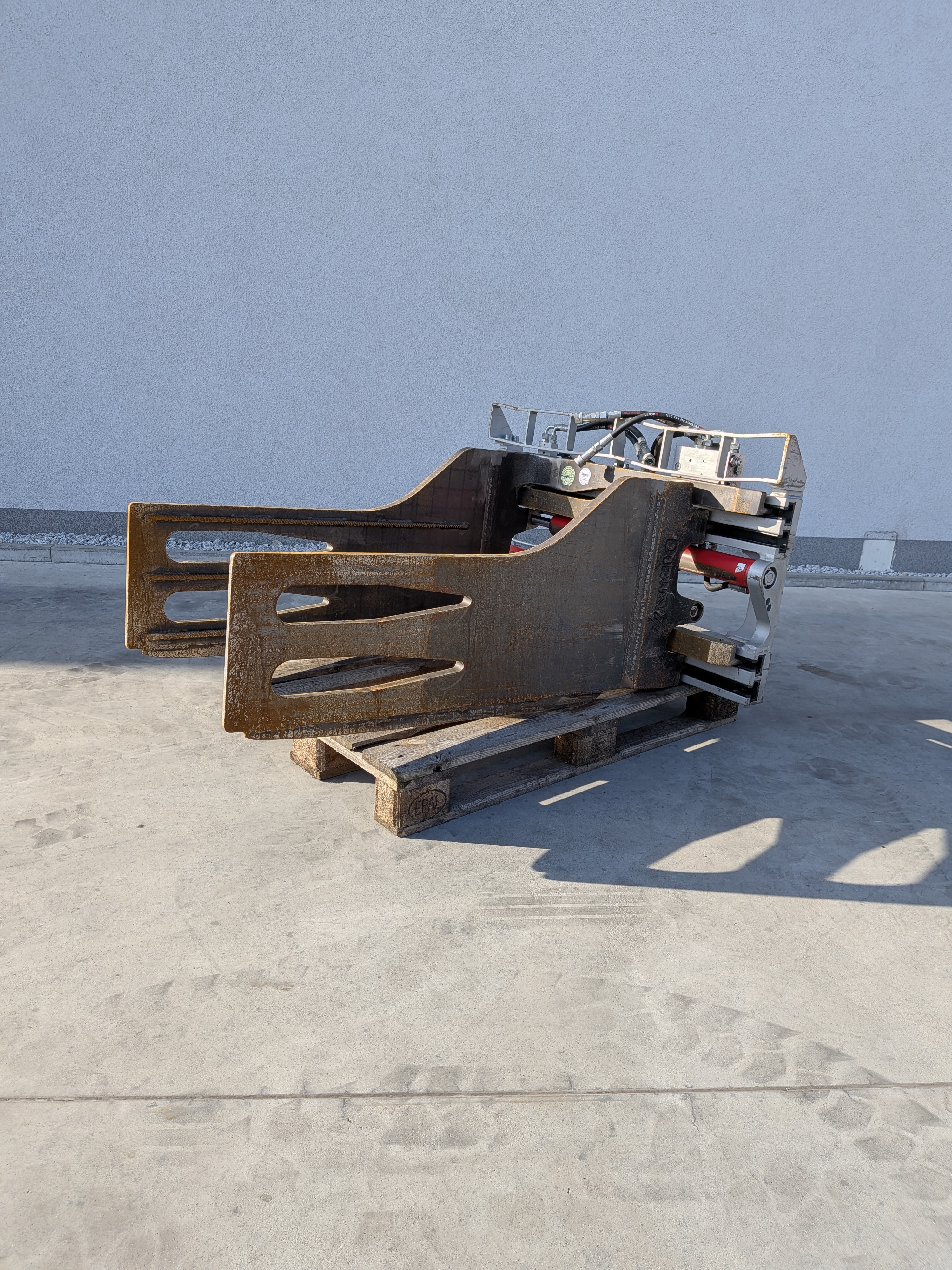
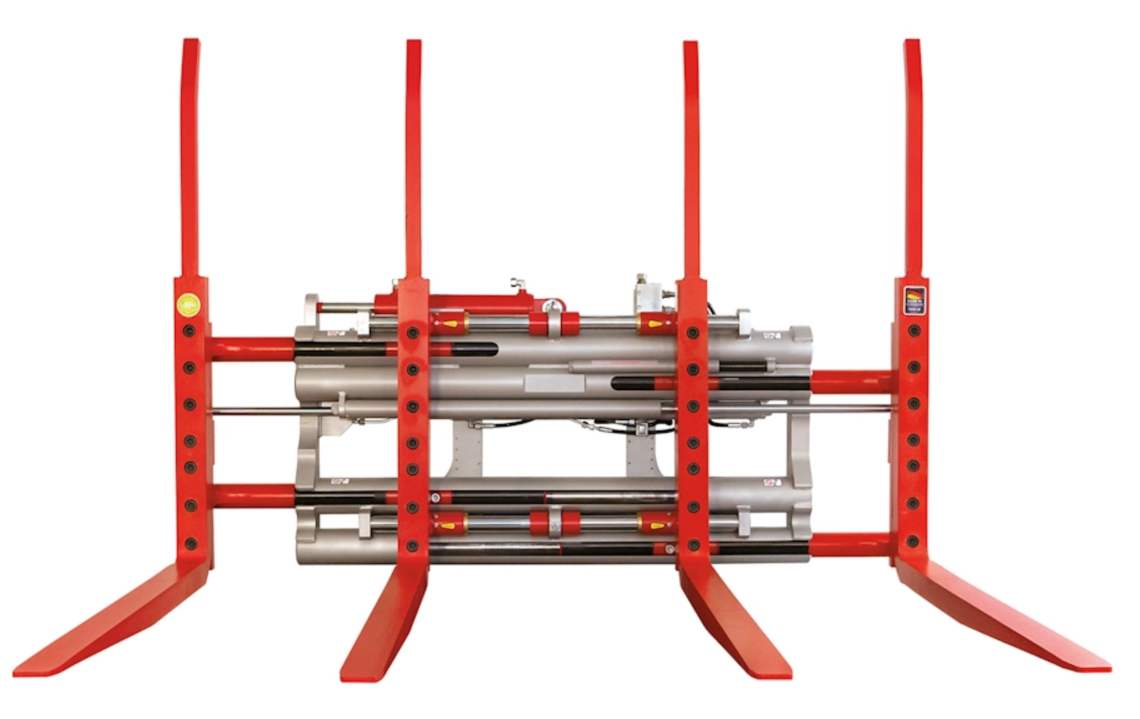
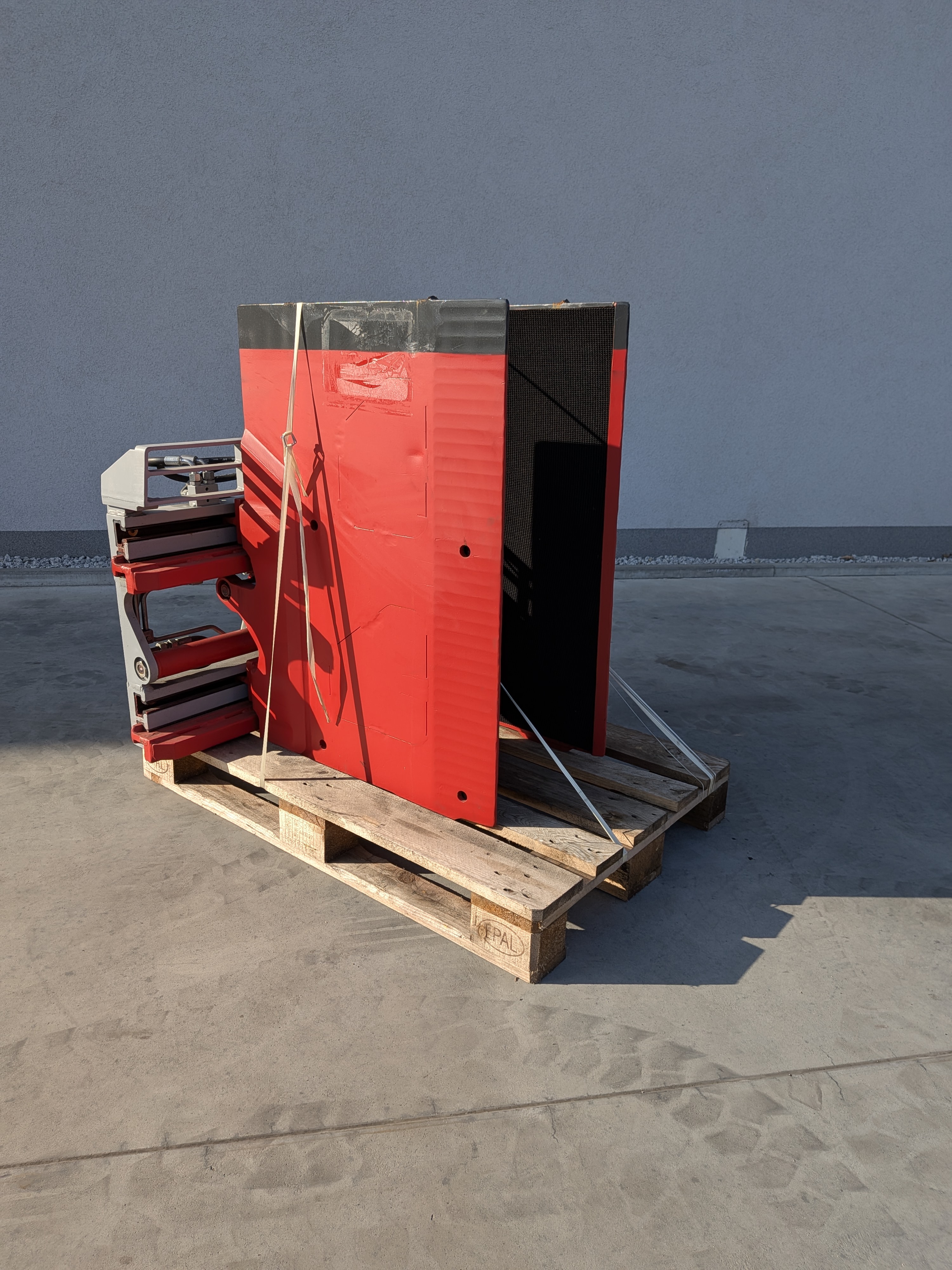
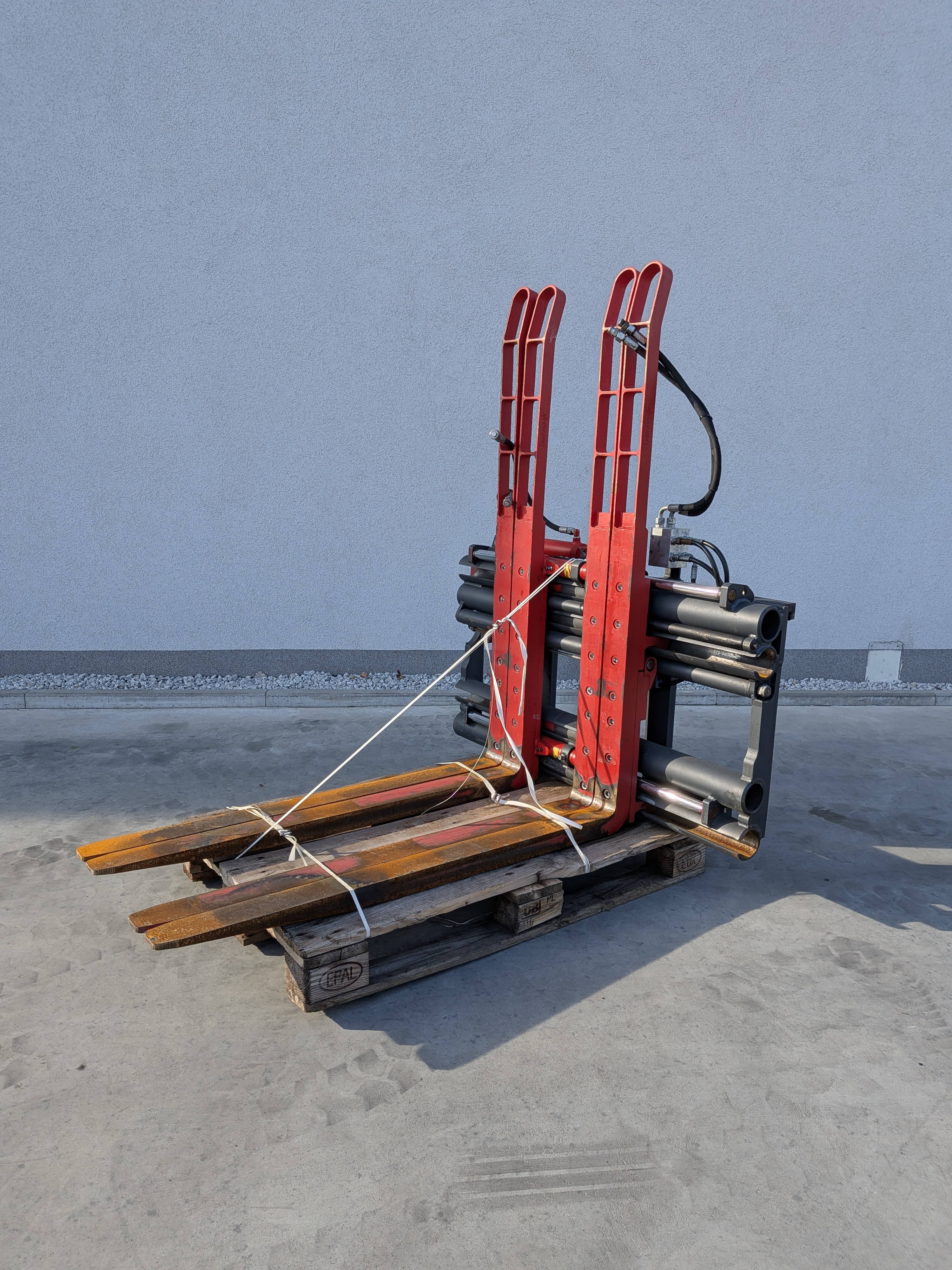
Osprzęt ORD Sp. z o.o.
B2B price on request
Material handling and internal transport equipment are machines designed to move, lift, and stack load units inside logistics and production facilities. They range from simple manual hand pallet trucks to advanced mechanical forklifts and autonomous guided vehicles.
| Load capacity | from 1000 kg to 8000+ kg (depending on class) |
| Battery standards | Lead-acid (PzS) / Lithium-ion (Li-Ion, fast charging support) |
| Lift height | Up to 13+ meters (for Reach Trucks and VNA system trucks) |
| Safety standard | ISO 3691-1 compliant |
Li-Ion technology is highly recommended for intensive, multi-shift operations. It allows opportunity charging (e.g. during 15-minute breaks), requires no dedicated charging rooms (no gas emissions), and needs zero maintenance. In contrast, lead-acid batteries require 8 hours of charging and 8 hours of cooling.
A Reach Truck has a mast that extends forward, allowing it to retrieve pallets in narrow working aisles (often under 2.9 m). Traditional counterbalance forklifts require wider aisles (3.5 - 4.0 m) but are more versatile for outdoor operations, trailer loading, and uneven terrain.
Recommended equipment includes optical warnings (e.g. blue spot / red zone lights projected on the floor), acoustic reverse alarms, speed limiting systems, and active pedestrian detection radars that automatically slow down the vehicle.
A powered industrial vehicle equipped with a mast and forks to lift, transport, and stack palletized loads.
The movement of raw materials, work-in-progress, and finished goods within a single industrial or warehouse facility.
Explore B2B solutions relevant to this catalog area.